Aluminum Wiring in Older Morris County Homes: What Homeowners Need to Know
If your Morris County, NJ home was built or substantially renovated between the mid-1960s and mid-1970s, there is a possibility that aluminum branch-circuit wiring was used for some of the home’s electrical system.
Aluminum wiring was widely used as an alternative to copper during a period of high copper prices. The U.S. Consumer Product Safety Commission (CPSC) estimates that approximately two million homes were constructed with aluminum wiring beginning in the mid-1960s.
The presence of aluminum wiring doesn’t necessarily mean that your entire home needs to be rewired. However, older aluminum branch-circuit wiring deserves careful attention because deteriorating connections can create excessive heat and potentially lead to an electrical fire.
For homeowners in Randolph and throughout Morris County, Amp’d Up Electrical can inspect older electrical systems. We can identify aluminum branch wiring and recommend appropriate corrective measures.
Why Was Aluminum Wiring Used?
During the mid-1960s, increasing copper costs led many builders to use aluminum conductors for residential electrical wiring.
Aluminum had already been commonly used for larger electrical conductors, such as service and feeder wiring. During this period, however, aluminum began appearing on ordinary 15- and 20-amp branch circuits supplying receptacles, switches and lighting.
According to the CPSC, homes built before 1965 are unlikely to contain this type of aluminum branch-circuit wiring, while electrical cables installed from 1965 into the mid-1970s may contain aluminum conductors.
That makes aluminum wiring particularly relevant when evaluating many older homes throughout Morris County, New Jersey.
What Makes Older Aluminum Wiring Potentially Dangerous?
The primary concern isn’t simply that the conductor is made from aluminum. The greatest concern is typically at the connections and terminations.
Connections can be found at:
- Receptacles
- Light switches
- Junction boxes
- Light fixtures
- Circuit breakers
- Appliance connections
- Other electrical splices and terminations
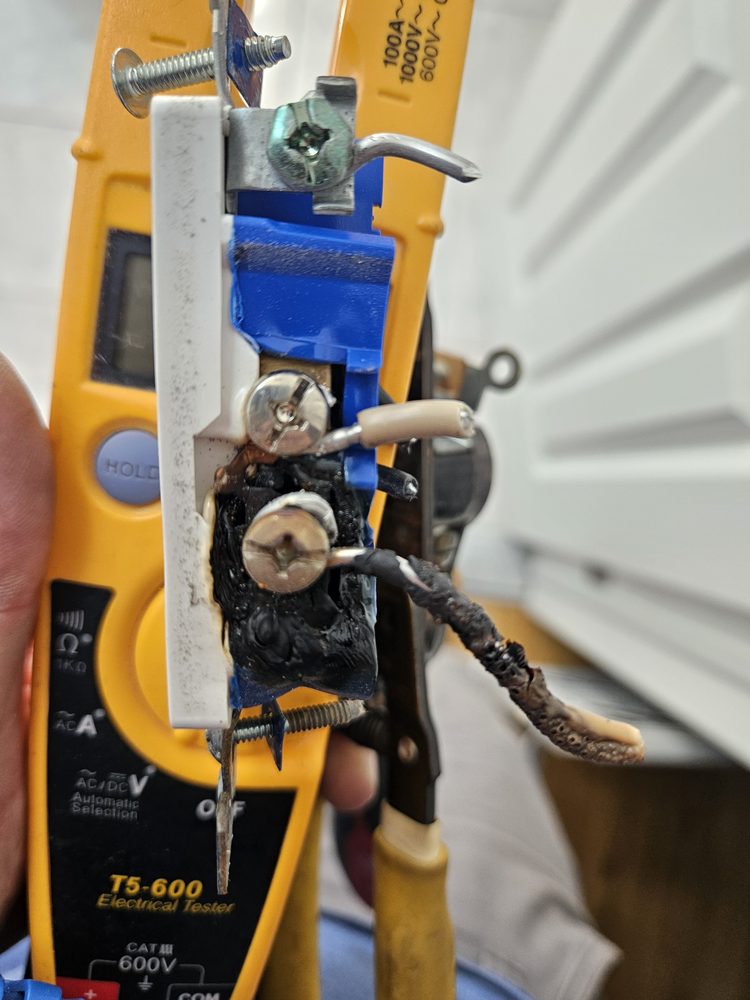
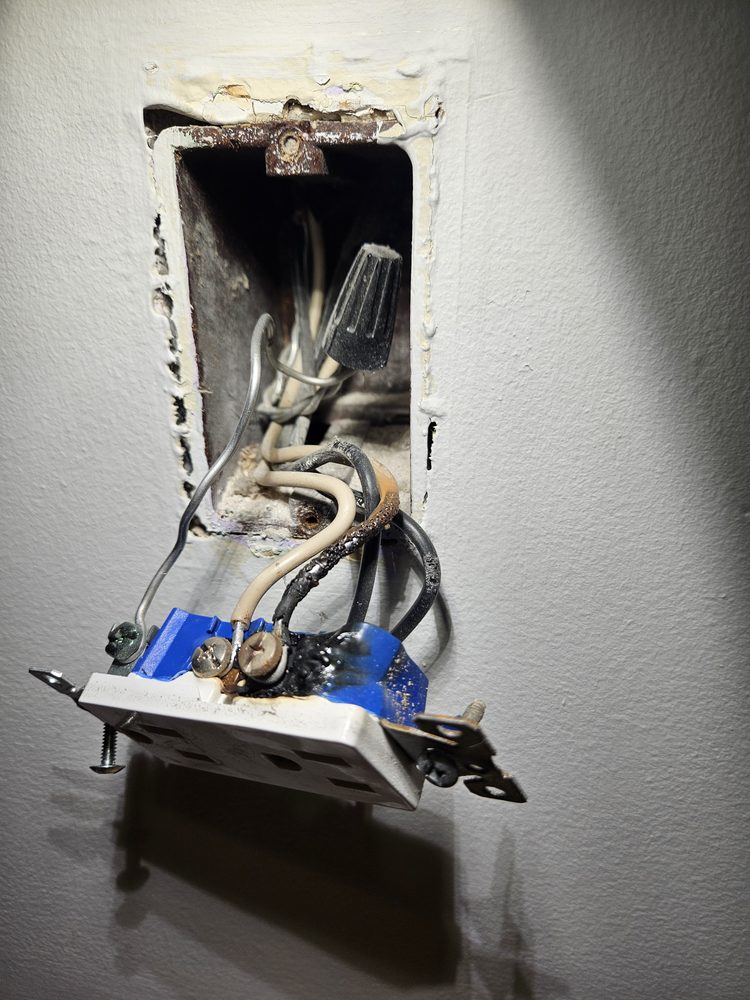
Over time, deterioration at these connections can increase electrical resistance. Increased resistance produces heat, and excessive heat at an electrical connection can damage wiring, devices and surrounding materials.
The CPSC has investigated numerous incidents and fires involving aluminum branch-circuit wiring. A national survey cited by the agency found that homes built before 1972 and wired with aluminum were 55 times more likely to have one or more outlet connections reach defined “fire hazard conditions” than comparable homes wired with copper.
This does not mean an aluminum-wired house is 55 times more likely to catch fire. The statistic specifically concerns connections reaching the study’s defined fire-hazard conditions.
Warning Signs of a Potential Aluminum Wiring Problem
One difficulty with aluminum wiring is that a deteriorating connection can be hidden inside an electrical box.
Homeowners should nevertheless pay attention to warning signs such as warm switch or receptacle cover plates, unusual odors resembling burning plastic, flickering lights, sparking or arcing, and circuits that intermittently stop working. The CPSC specifically identifies several of these conditions as potential warning signs associated with aluminum wiring.
If you notice any of these symptoms, the electrical system should be evaluated by a qualified electrician.
Do not attempt to remove devices or inspect energized wiring yourself. Electrical boxes and panels can contain energized conductors capable of causing serious electrical shock.
Does Aluminum Wiring Mean the Entire House Must Be Rewired?
Not necessarily.
A complete replacement of the old aluminum branch circuits with copper wiring provides the most comprehensive solution, but rewiring an occupied home can also require opening finished walls and ceilings and can become a substantial project.
Depending on the condition and configuration of the existing system, another approach may be to properly remediate aluminum connections using connectors specifically designed and approved for aluminum-to-copper connections.
This is where proper installation becomes extremely important.
Simply connecting aluminum and copper conductors together using an ordinary connector is not the same thing as properly remediating an aluminum-wired electrical system.
Proper Aluminum-to-Copper Connections
A common remediation strategy involves connecting the existing aluminum branch conductor to a short copper conductor using an appropriate aluminum-to-copper connection system. The copper conductor can then connect to the receptacle, switch or other device.
This approach allows the original aluminum conductor to remain in place while addressing one of the system’s primary vulnerabilities: the termination point.
The connector and installation method must be appropriate for the conductors involved and installed according to its listing and manufacturer’s requirements.
The CPSC has historically recommended specific permanent repair methods for older aluminum wiring and cautions homeowners against assuming that ordinary twist-on connectors or simply replacing devices constitutes a complete permanent repair.
Proper aluminum remediation is therefore much more than changing outlets.
How Amp’d Up Electrical Can Help
Amp’d Up Electrical Contracting, LLC has been serving New Jersey homeowners since 2006 and provides residential electrical services throughout Randolph and Morris County, NJ.
If you own an older home and are concerned about aluminum wiring, Amp’d Up Electrical can evaluate the electrical system and help determine an appropriate course of action.
Depending on the home’s existing wiring and its condition, that may include identifying aluminum branch circuits, examining accessible connections and devices for evidence of overheating or deterioration, correcting improper connections, installing appropriate aluminum-rated connection methods, replacing damaged devices or wiring, and recommending selective or complete rewiring where conditions warrant it.
The goal isn’t simply to tell a homeowner that aluminum wiring exists. It is to determine where the potential hazards are and what practical improvements can be made to create a safer electrical system.
Buying an Older Home in Morris County?
Aluminum wiring can also become an important consideration when purchasing an older home.
If a home was constructed during the late 1960s or early-to-mid 1970s, determining what type of branch-circuit wiring is present can provide valuable information before undertaking renovations or electrical upgrades.
Don’t assume that previous renovations mean all of the original wiring was replaced. An older home can contain a combination of original aluminum wiring, newer copper wiring and connections that were modified by different contractors or homeowners over several decades.
An electrical evaluation can help establish what is actually present.
Modern Aluminum Wiring Is a Different Issue
It is also important to distinguish older solid aluminum branch-circuit wiring from the aluminum conductors commonly used today.
Modern aluminum conductors are still routinely used for larger electrical applications, including service entrance conductors, feeders and other appropriately designed circuits.
The primary concern discussed here is the older generation of aluminum wiring installed on general-purpose residential branch circuits during the 1960s and 1970s.
Finding aluminum conductors inside an electrical panel therefore does not automatically mean that the home has the problematic older aluminum branch wiring.
Have 1960s through 1970s Morris County Home? Have the Wiring Checked by Amp’d Up!
If your home in Randolph, Roxbury, Chester, Mendham, Morristown, Denville, Rockaway or elsewhere in Morris County was built during the late 1960s or 1970s, it may be worthwhile to determine whether aluminum branch-circuit wiring is present.
More importantly, if aluminum wiring is found, the connections should be evaluated to determine whether they have been properly installed or previously remediated.
Amp’d Up Electrical Contracting, LLC can help homeowners identify aluminum wiring, evaluate existing electrical connections and discuss appropriate options for making an older electrical system safer.
Contact Amp’d Up Electrical
Amp’d Up Electrical Contracting, LLC
Randolph, NJ — Serving Morris County
NJ Electrical Lic. #15872
201-358-0351
ampdupelectrical.com
Serving New Jersey homeowners since 2006
Older home? Don’t guess about what’s behind the walls. Have the electrical system evaluated by an experienced licensed electrical contractor.
*Created with help from AI.